
The right shipping container is not simply the cheapest listing. A useful comparison accounts for the container’s size, age, condition, doors, intended use, delivery ZIP and the room available for the truck to place it.
Get the Storage You Need Without Paying for More.
Begin with what will be stored, how often the doors will open and how long the container will remain on site. Construction tools, retail overflow, farm equipment, records and household contents create different access, security and ventilation needs. Long-term projects often favor buying a used steel shipping container. Shorter projects may be better served by a rental or lease when delivery, pickup and the full term are clearly priced.
Write down the expected storage volume, the longest item, the widest item that must pass through the doors and any need for shelving or a walking aisle. A box that technically holds the material can still be frustrating if everything must be moved to reach the back.
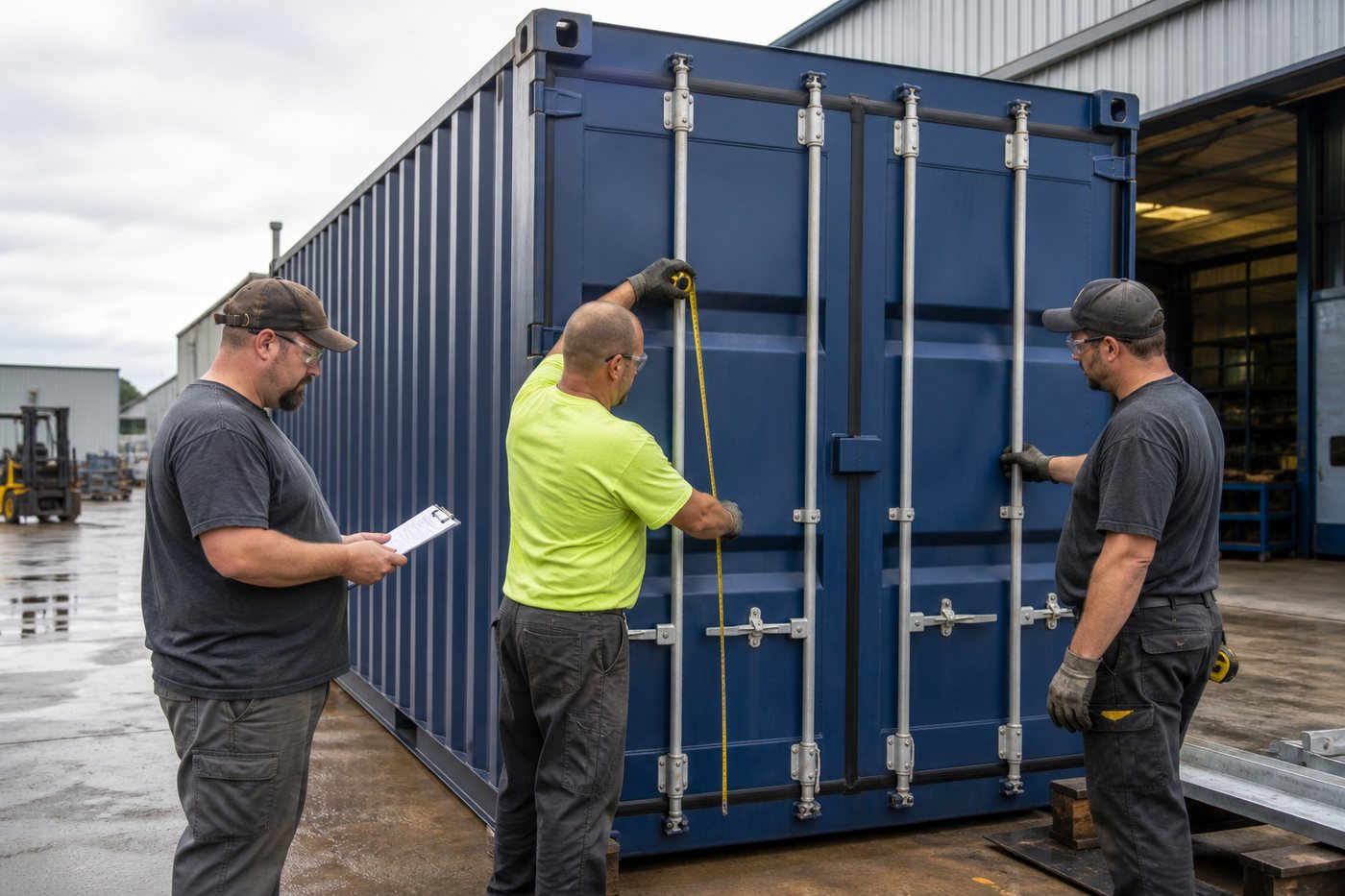
Shipping Container Sizes: 10, 20, 40 and 45 Feet
For dimensions, height differences and delivery-space comparisons, use the complete shipping container size guide.
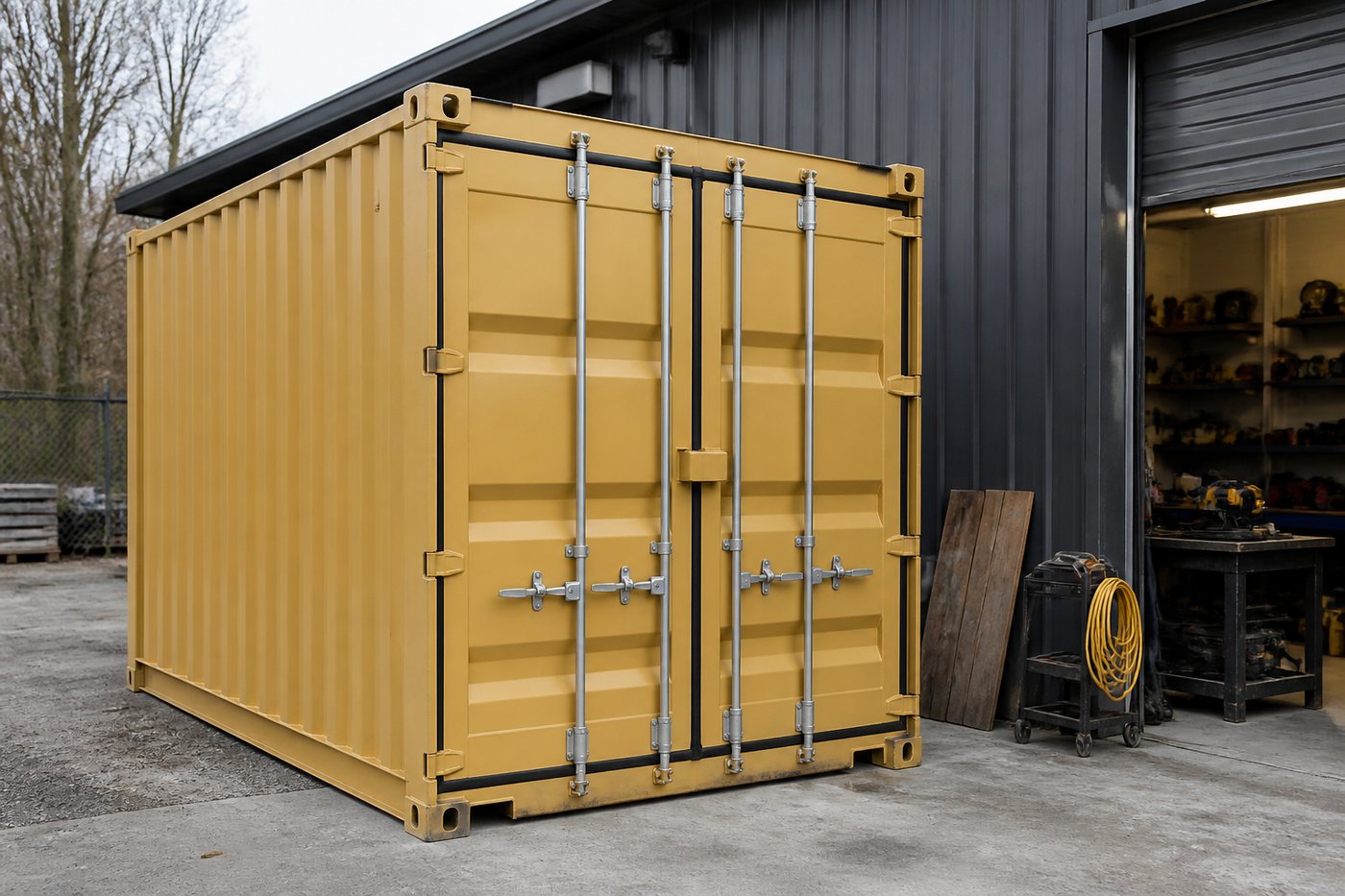 10-Foot ContainersCompact storage where placement room is limited.
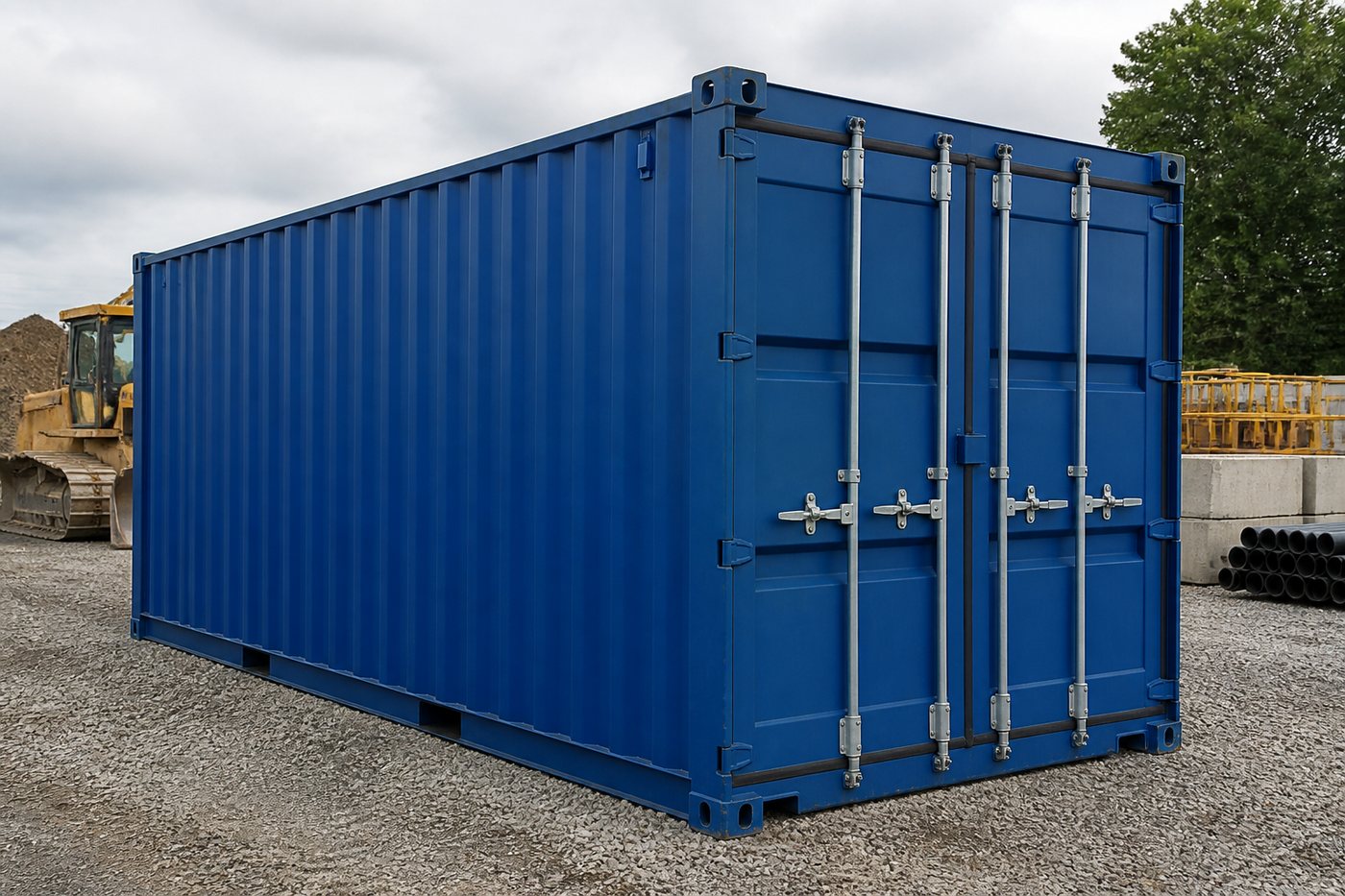 20-Foot ContainersA common balance of capacity and manageable placement.
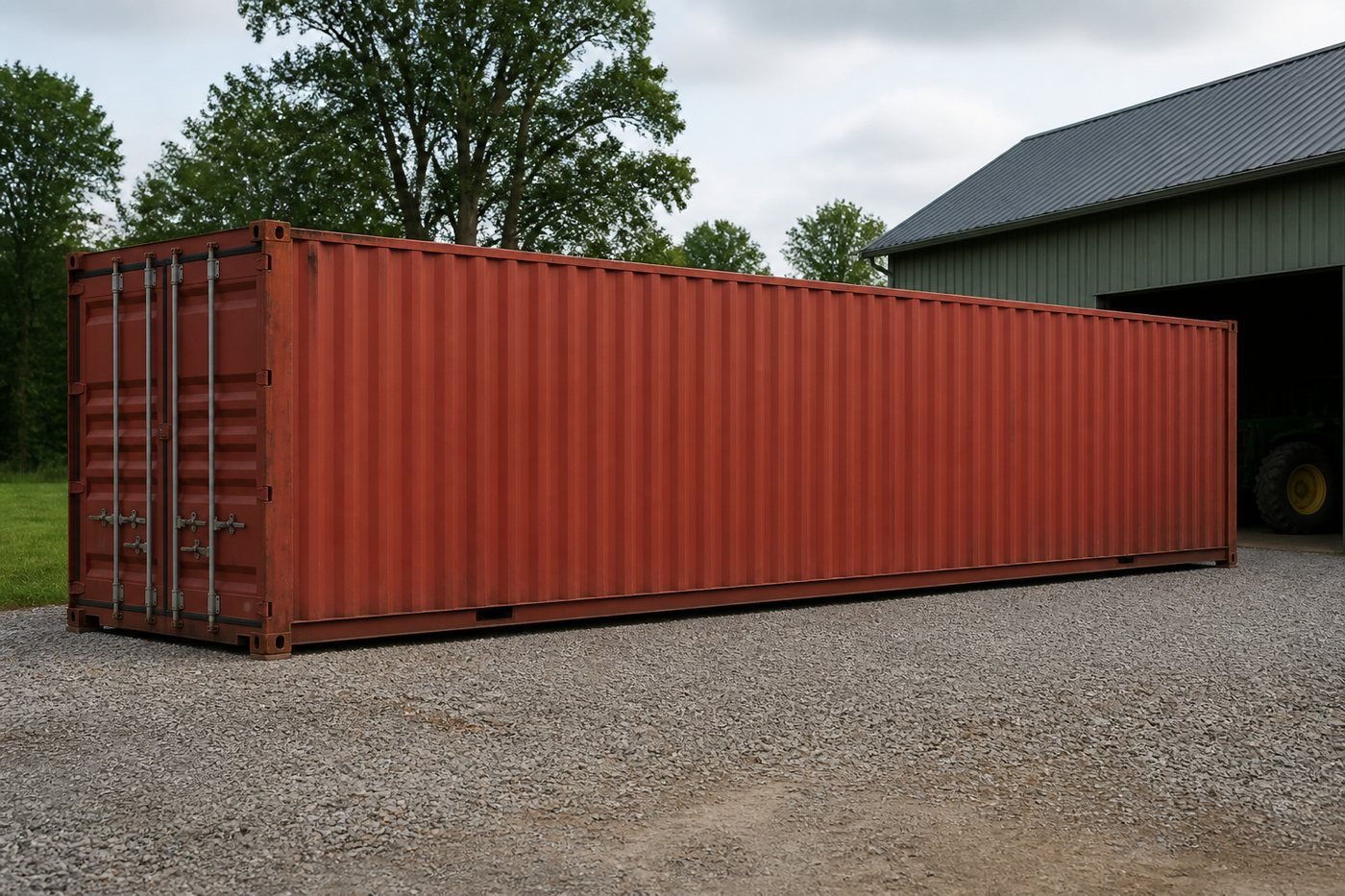 40-Foot ContainersHigh-capacity storage for larger commercial projects.
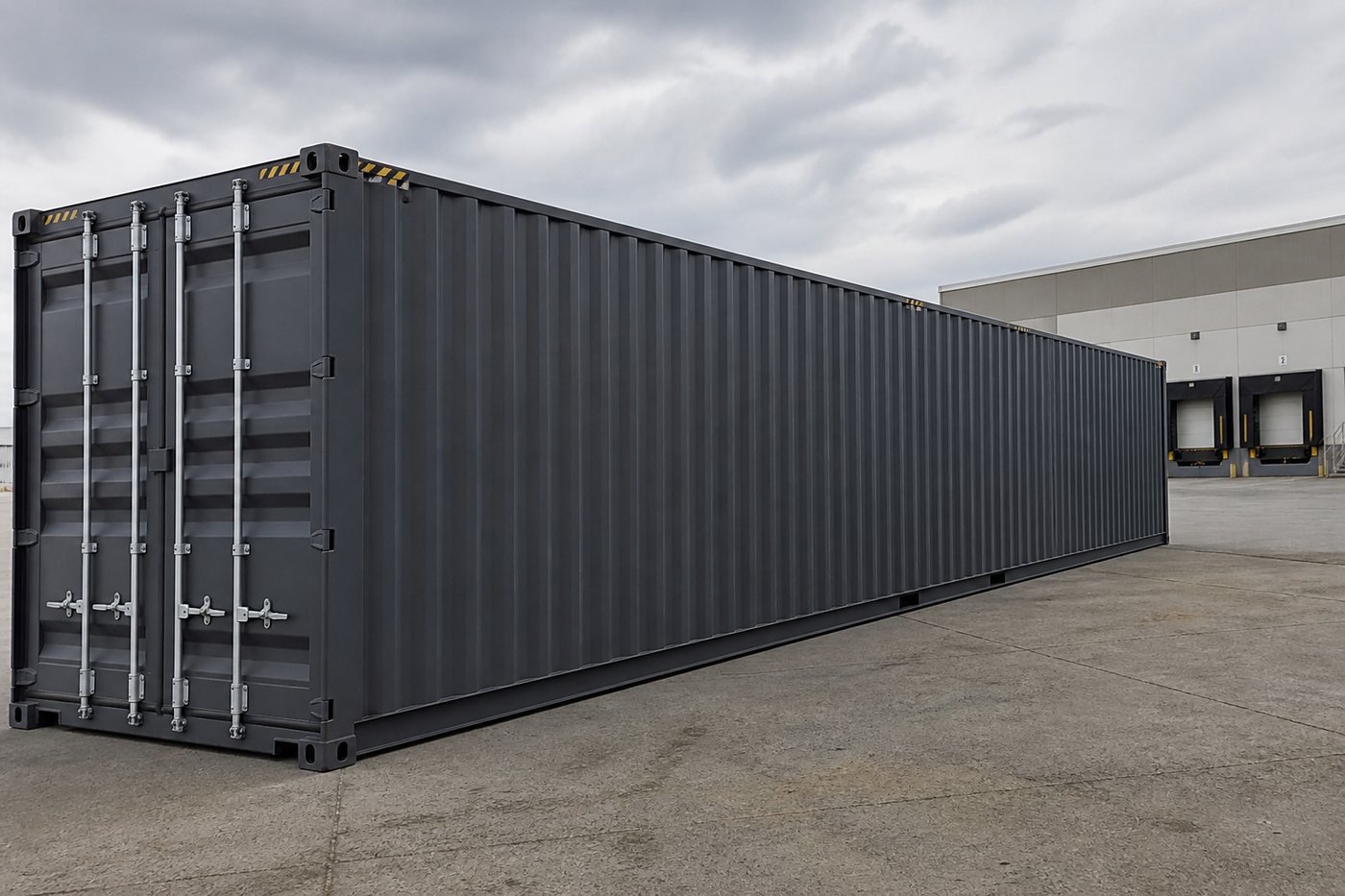 45-Foot ContainersSpecialized extra capacity where local inventory permits.
A 20-foot shipping container is a practical starting point for many buyers. It offers useful capacity without the full delivery footprint of a 40-foot unit. A 40-foot shipping container can lower the cost per square foot of storage, but the truck needs a longer, straighter approach and more placement room. Ten-foot containers work in tighter areas, while 45-foot containers and high-cube models depend more heavily on regional supply.
Used, Wind-and-Water-Tight and One-Trip Containers
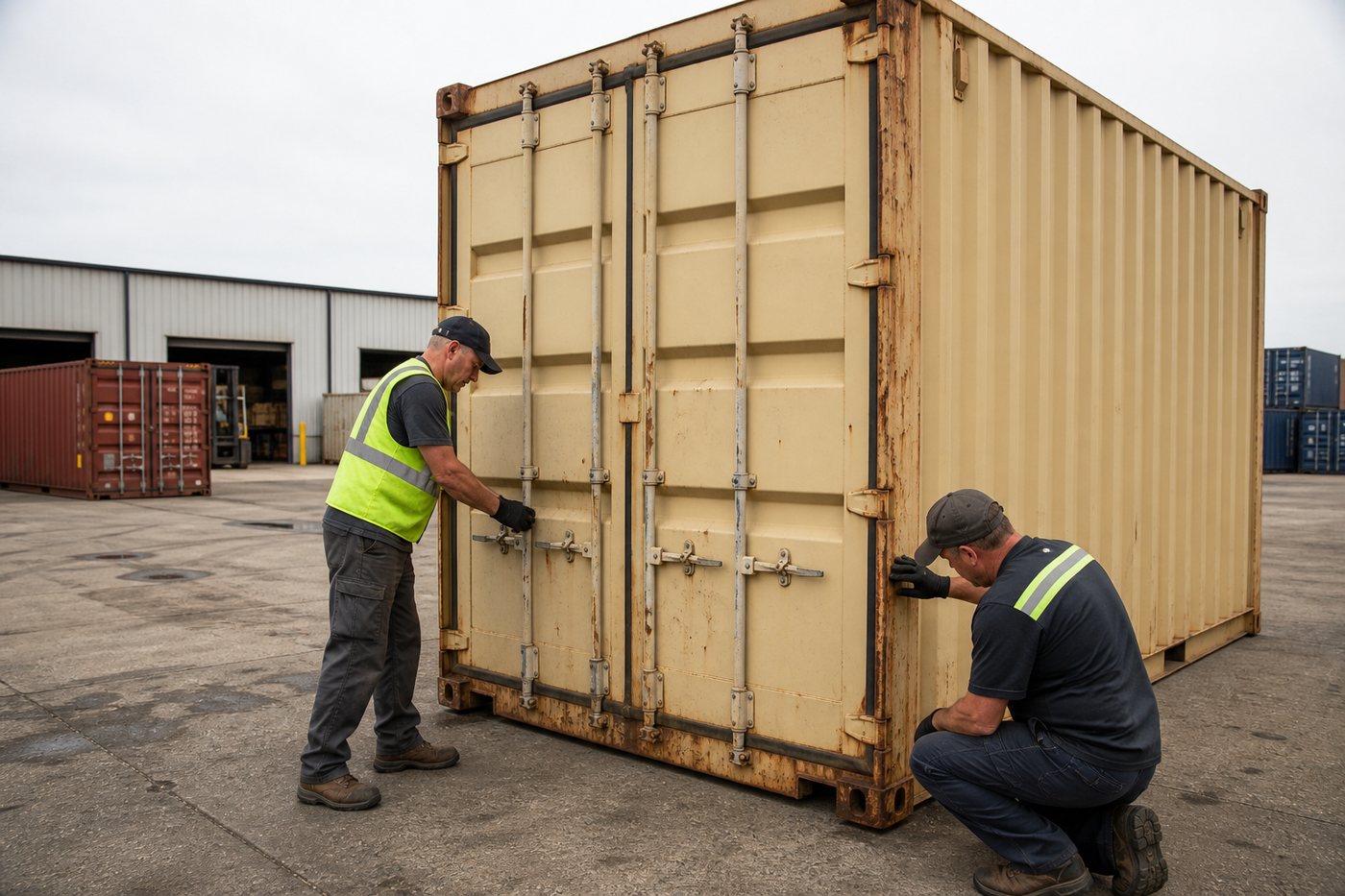
Most containers sold for storage are used cargo containers. Their appearance can include dents, surface rust, repairs, shipping labels and faded paint. The important question is whether the quoted condition fits the planned use. A practical used container may be the right value for tools and job-site storage. Buyers concerned about appearance, doors and interior cleanliness may prefer a one-trip container.
Terms such as “cargo worthy,” “wind and water tight,” “one trip,” conex box and sea container describe different histories or industry uses. Ask the supplier to state the condition being quoted instead of assuming every seller uses the same label in exactly the same way.
Understand the Complete Delivered Cost
Container prices change with steel markets, regional supply, condition and distance from the serving yard. The advertised box price is only part of the purchase. Ask for the complete delivered price for the ZIP code and confirm whether taxes, permits, special unloading equipment or difficult access can add cost.
- Container size, height and door configuration
- Quoted condition and any inspection standard
- Supplier location and delivery mileage
- Truck and unloading method
- Site-access or failed-delivery charges
- Rental minimums, pickup and extension costs
- Taxes, permits and optional modifications
Availability is local. Use the 50-state shipping container directory to find the applicable state and city market, then compare the condition and delivered cost rather than relying on a national price range.
Buy, Rent or Lease?
Buying usually fits permanent placement, repeated use and approved modifications. Renting can make sense for construction schedules, renovations, seasonal inventory and temporary overflow. Leasing language varies, so compare the actual term, monthly charge, delivery, pickup, renewal and access requirements. Harper Steel’s shipping container rental and lease guide explains those questions in more detail.
Plan the Delivery Before the Truck Arrives
Delivery is part of the product. A tilt-bed truck needs room to enter, lower the container and pull forward. Measure the gate, approach width, turning area and overhead clearance. Identify wires, branches, eaves, slopes, soft ground, septic systems and drainage. The final surface should be firm and level enough to support the container at its corner castings.
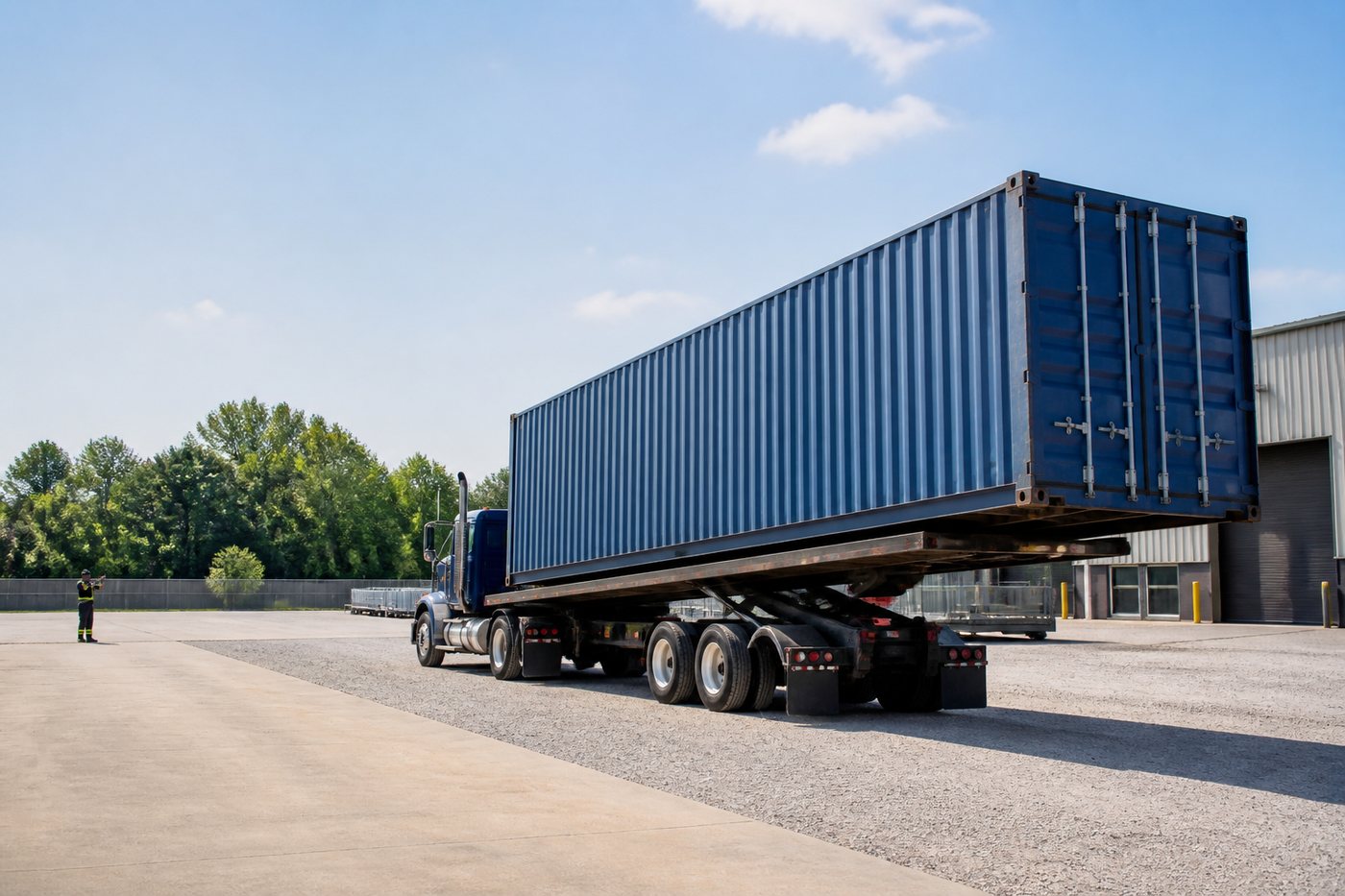
If the site is tight, share photographs and measurements before scheduling. A crane or other special equipment may be required when a tilt-bed cannot reach the placement area. Local zoning, neighborhood rules and site approval remain the buyer’s responsibility.
Container Inspection Checklist
- Open and close every cargo door
- Check the locking bars, handles, hinges and gasket
- Look for daylight through the roof and walls
- Inspect the floor for major damage, odors or contamination concerns
- Review dents, rust, repairs and exterior markings
- Confirm the container number or quoted unit when applicable
- Verify size, standard or high-cube height and door configuration
- Get the condition and delivered price in writing
Common Buyer Questions
What size shipping container should I buy?
A 20-foot container fits many general storage projects. Choose 40 feet for more capacity when the site and delivery approach can accommodate it. Ten-foot and 45-foot options solve more specialized needs.
Should I buy a used or one-trip container?
Choose based on use, appearance and budget. Used containers often provide practical storage value. One-trip containers normally offer cleaner cosmetics and less wear at a higher price.
Can I see the exact container before delivery?
That depends on the supplier and market. Ask whether the quote covers a specific unit, a representative condition grade or the next available container matching the order.
How much room does delivery require?
The answer depends on container length, truck type and approach. Give the supplier exact gate, turning, overhead and placement details before scheduling.