
Container length is only the starting point. The best size must hold the material, fit the placement area and leave enough room for the delivery truck to unload safely.
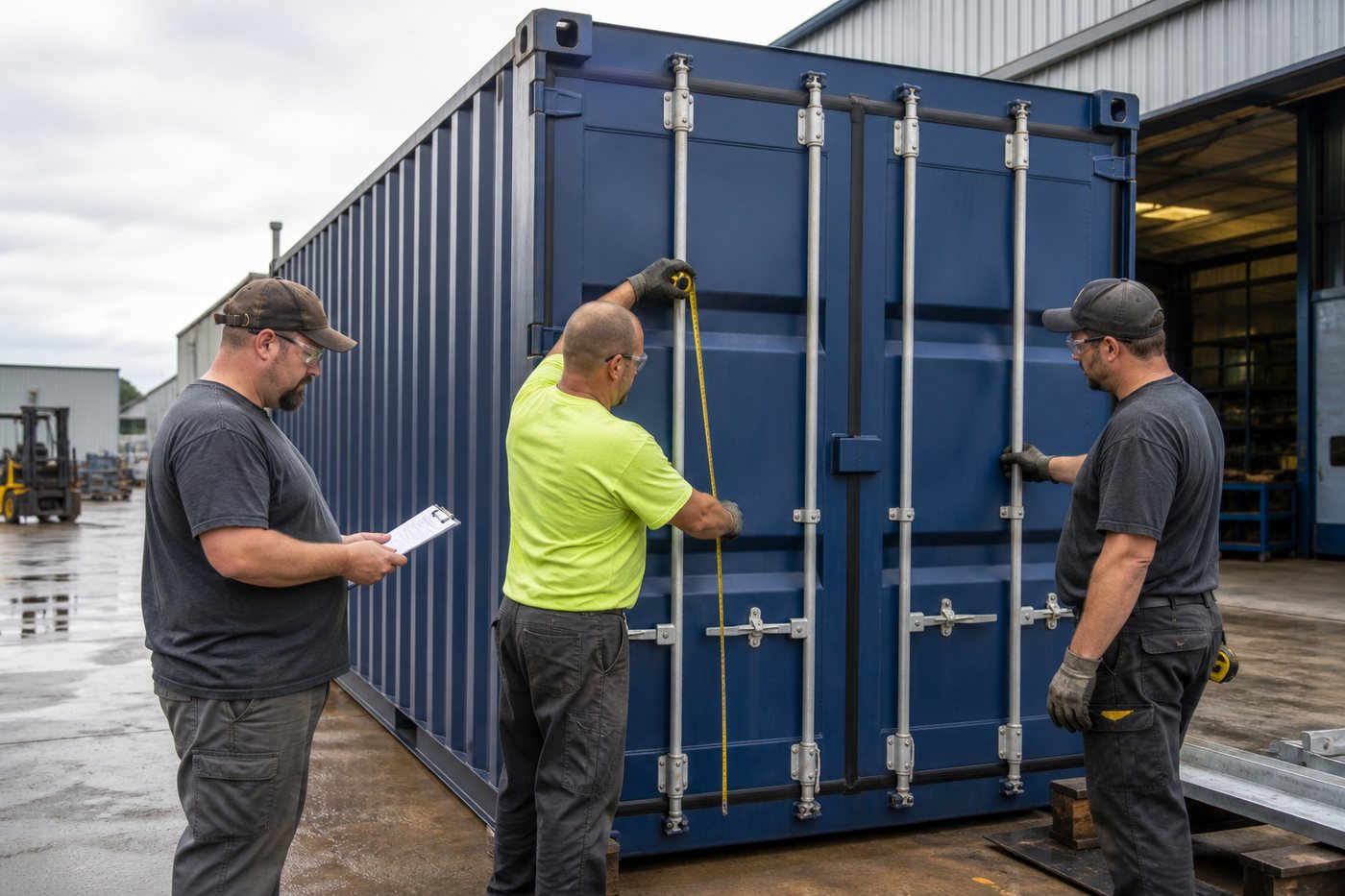
Common Shipping Container Dimension Chart
Most dry freight containers are approximately 8 feet wide externally. Standard-height containers are generally 8 feet 6 inches high, while high-cube containers are generally 9 feet 6 inches high. Interior and door dimensions are smaller because of the steel frame, walls and floor.
| Container | Approx. exterior size | Typical fit | Compare options |
|---|---|---|---|
| 10-foot standard | 10′ L × 8′ W × 8′6″ H | Compact storage and tighter placement areas | 10-foot containers |
| 20-foot standard | 20′ L × 8′ W × 8′6″ H | Tools, materials, records and general storage | 20-foot containers |
| 40-foot standard | 40′ L × 8′ W × 8′6″ H | High-volume commercial or property storage | 40-foot containers |
| 40-foot high-cube | 40′ L × 8′ W × 9′6″ H | Taller equipment, shelving and added cubic capacity | High-cube containers |
| 45-foot high-cube | 45′ L × 8′ W × 9′6″ H | Specialized maximum-capacity applications | 45-foot containers |
Measurements are planning approximations. Exact interior length, height, door opening, tare weight and load rating vary by manufacturer, age, floor, door and container configuration. Use the quoted unit’s specification when clearance is critical.
10-Foot Shipping Containers
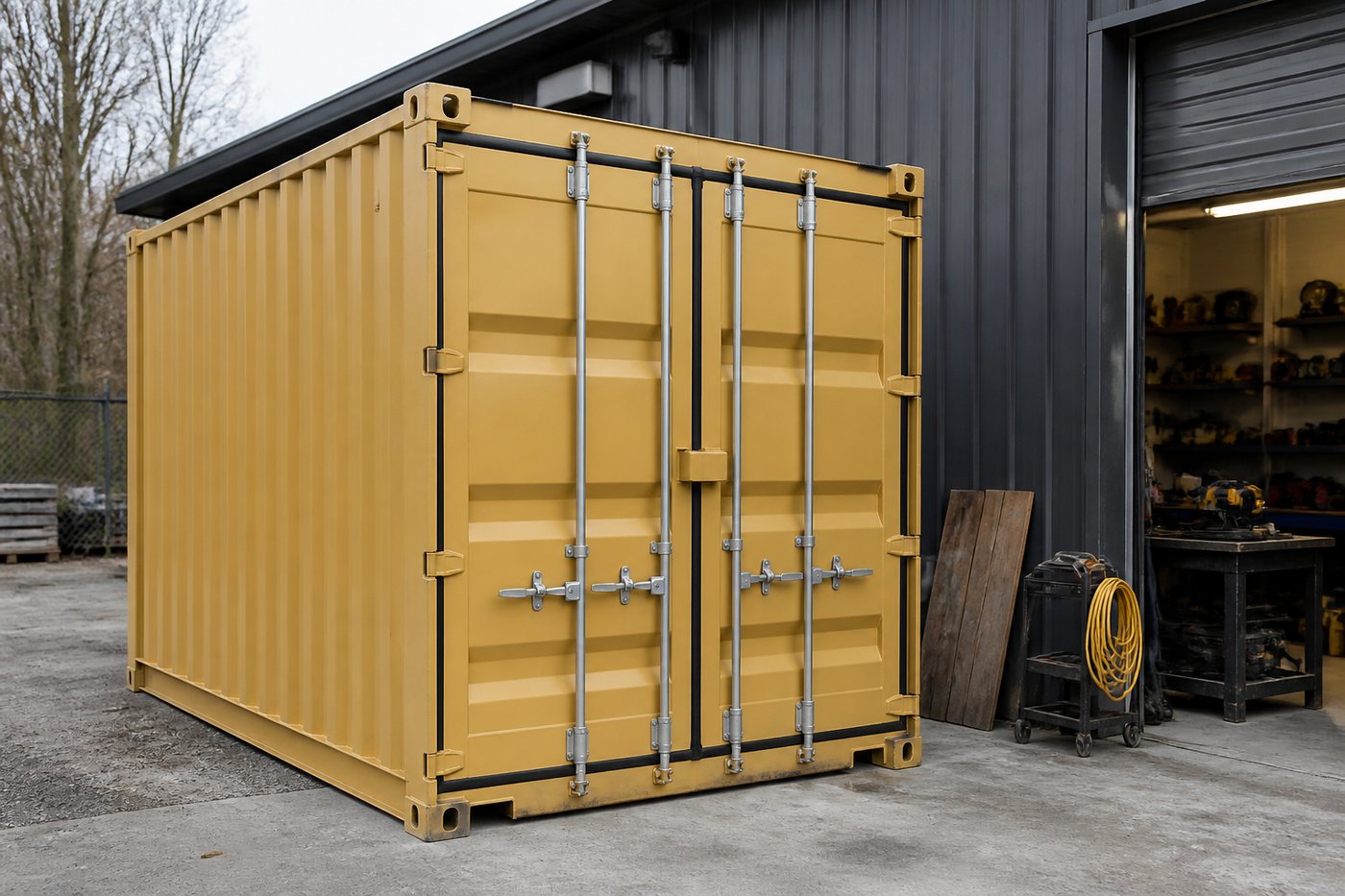
A 10-foot shipping container brings steel storage to sites where a 20-foot box would consume too much space. It can suit compact tool storage, maintenance supplies, residential projects and smaller business loads.
The shorter box does not always mean the lowest delivered price. Ten-foot containers are less common than 20-foot and 40-foot units, and local supply affects both price and timing.
Compare 10-foot containers →20-Foot Shipping Containers
The 20-foot shipping container is a practical middle ground for many job sites, farms, businesses and property owners. It offers substantial storage without requiring the full placement length of a 40-foot container.
A 20-foot container is easier to organize when the stored items need frequent access. It may also be the better choice when the approach, gate or final pad cannot accommodate a 40-foot delivery.
Compare 20-foot containers →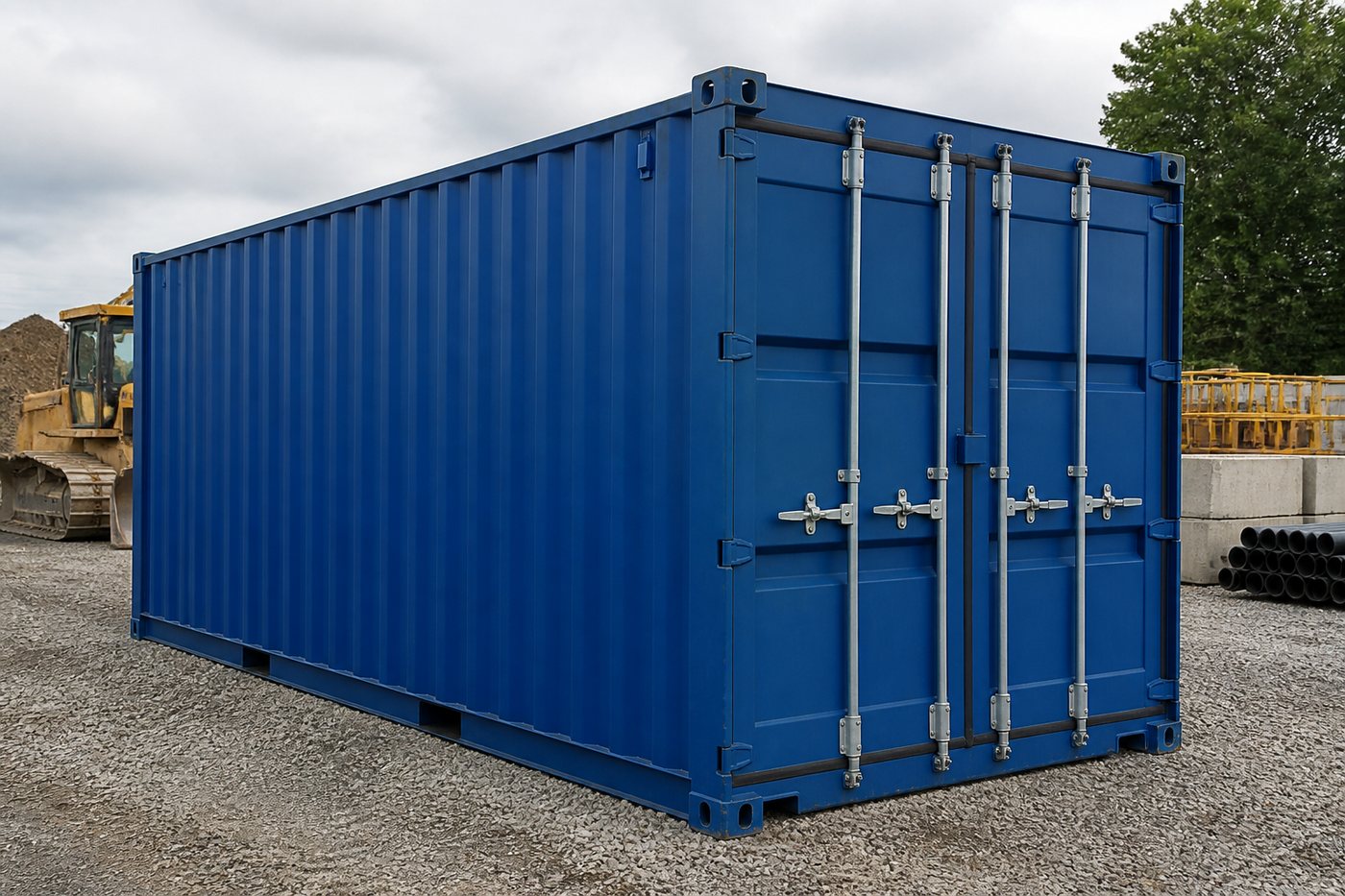
40-Foot Shipping Containers
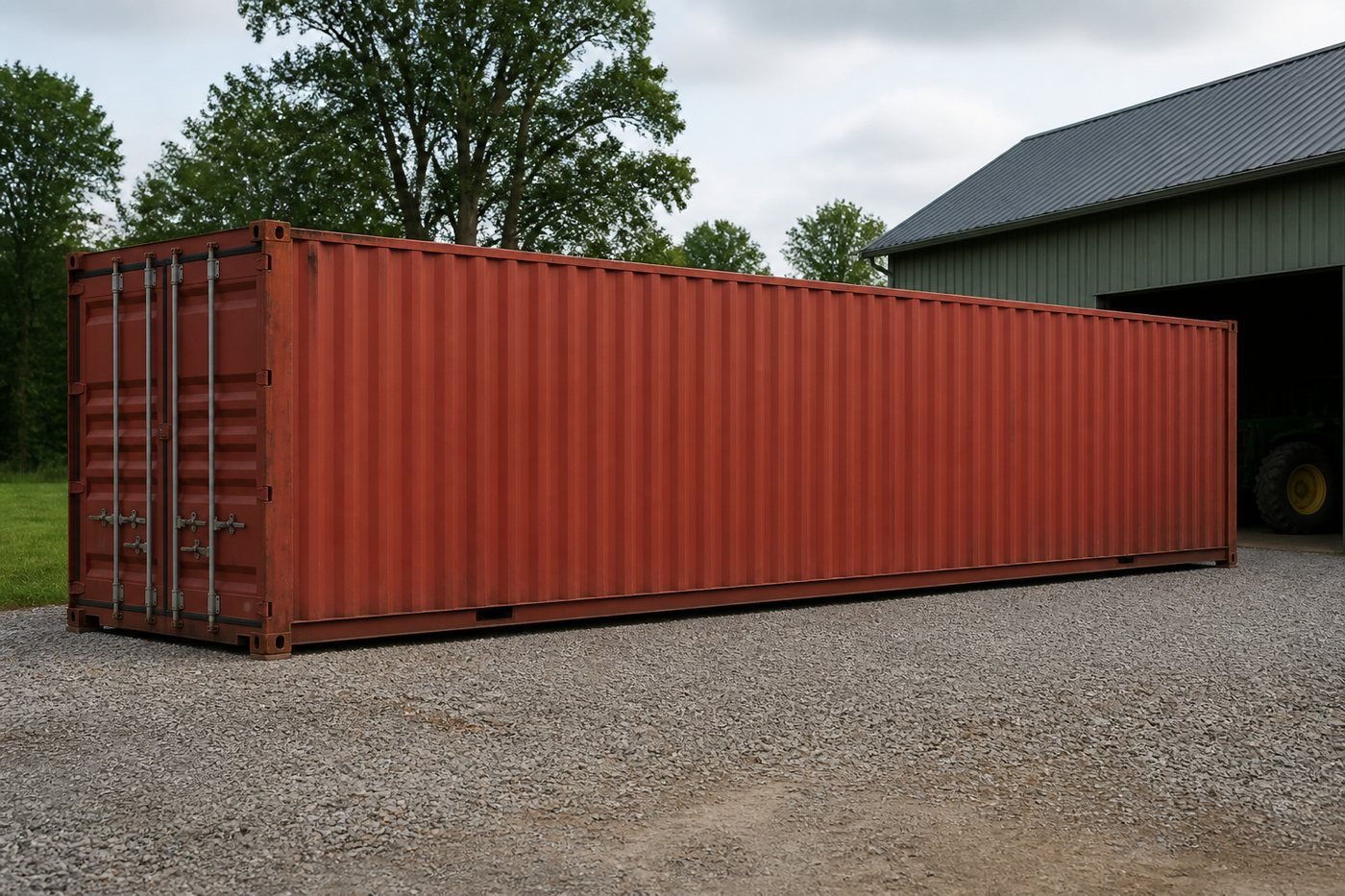
A 40-foot shipping container is designed for larger storage volumes, long materials, commercial inventory and equipment. The longer interior can provide strong value per square foot when the site has room.
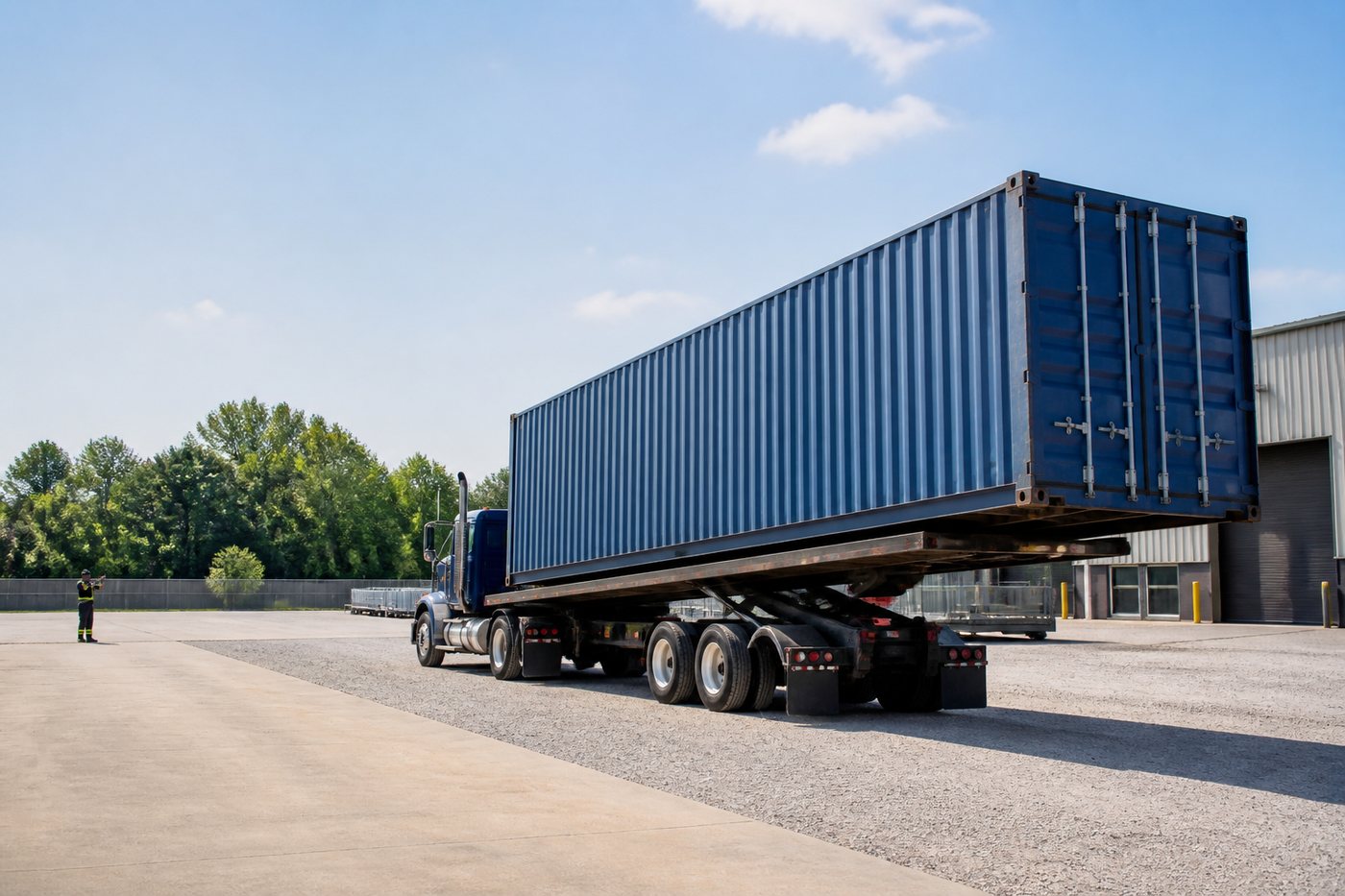
Delivery planning matters. A tilt-bed truck needs a long, fairly straight approach to lower the container and pull forward. Gates, buildings, fences, overhead wires and soft ground can make a smaller container the more practical answer.
Compare 40-foot containers →High-Cube and 45-Foot Containers
A high-cube shipping container generally adds one foot of exterior height compared with a standard dry container. That extra height is useful for tall equipment, shelving, bulky material and projects where cubic capacity matters more than floor length alone.
45-foot high-cube containers provide still more length, but availability is more specialized. Confirm local supply, delivery equipment, turning room and the exact quoted dimensions before designing a site around one.
Container Size and Delivery Space
The placement pad must fit the container, but the truck needs considerably more operating room. Measure the approach, gate width, turning radius, overhead clearance and the straight run available for unloading. Mark branches, wires, roofs, fences, slopes, septic systems and soft ground before delivery.
- Container exterior length and height
- Door swing and working aisle
- Gate and approach width
- Truck turning and unloading room
- Overhead wires, branches and eaves
- Firm, level bearing points
- Drainage and seasonal ground conditions
- Local placement and permit rules
Shipping Container Size Questions
What are the most common shipping container sizes?
Twenty-foot and 40-foot containers are the most common lengths. Ten-foot, 45-foot, high-cube and specialty sizes may be available depending on the local market.
How wide is a standard shipping container?
Most standard freight containers are approximately 8 feet wide externally. The usable interior and door opening are narrower.
What is a high-cube shipping container?
A high-cube container is generally 9 feet 6 inches high externally—about one foot taller than a standard-height dry container.
Which size is best for storage?
The best size depends on the volume and length of the stored material, how often it must be accessed, the placement area and the room available for delivery.
Can I rent these container sizes?
Rental and lease availability varies by size, term and ZIP code. Review the shipping container rental guide and request current local options.